Stainless steel chimneys are common ventilation and exhaust systems, with applications ranging from residential to industrial sites. Their primary function is to safely channel combustion products and fumes to the outside atmosphere, while ensuring stability and durability during operation. Compared to traditional brick or iron chimneys, stainless steel has attracted considerable attention due to its corrosion resistance, long lifespan, and relative lightness. The following article will provide a step-by-step introduction to the fabrication process, material selection, common types, and precautions for stainless steel chimneys, all presented in an accessible manner.
The primary function of a stainless steel chimney is to discharge exhaust gases generated during industrial production. Its structure typically consists of an inner tube, an insulation layer, and an outer tube. The inner tube, which is in direct contact with exhaust gases, requires high-temperature and corrosion resistance; the insulation layer reduces heat loss and controls the temperature of the outer tube; and the outer tube provides protection and support.
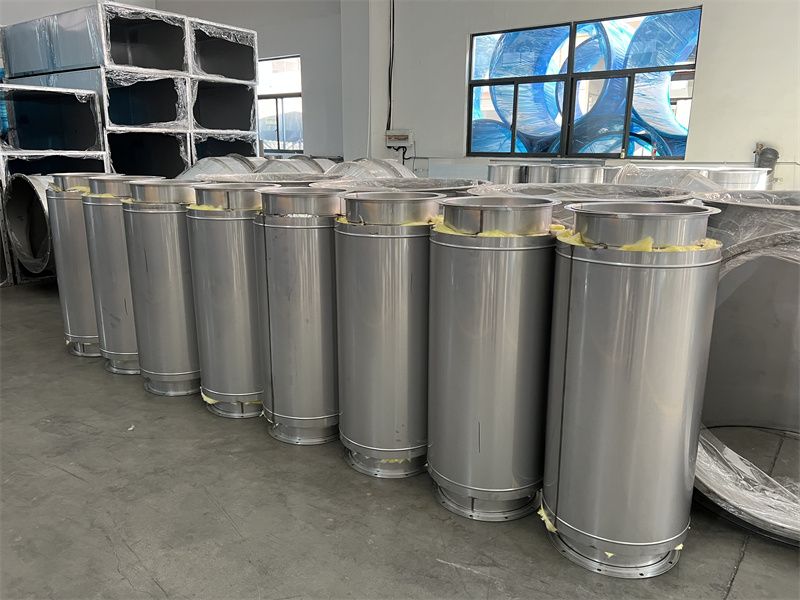
Material Preparation and Selection
The first step in ensuring high-quality stainless steel chimney construction is selecting the right material. While various stainless steel grades are commonly used, the most common are those with a certain degree of heat and corrosion resistance. Material thickness also affects the durability of the final product and is generally determined based on the intended use and requirements. For example, in environments with high temperatures or corrosive gases, thicker or higher-gauge material may be required. Upon arrival, materials must be inspected to ensure the surface is free of scratches, rust, or deformation to ensure quality.
Common materials for stainless steel chimneys include 304 and 316. 304 stainless steel offers excellent corrosion resistance and workability, making it suitable for general environments. 316 stainless steel, due to the addition of molybdenum, offers even greater corrosion resistance, particularly in environments containing chloride ions, making it suitable for use in coastal areas. Material selection should be considered based on factors such as exhaust gas composition, environmental conditions, and temperature.
Structural Design
Chimney structural design must consider stability, wind resistance, and thermal expansion compensation. Free-standing chimneys rely on their own structure for stability and are suitable for lower heights. Cable-stayed chimneys, secured by steel cables, are suitable for medium heights. Tower chimneys, used for taller heights, are supported by external supports. Wind and seismic loads must be calculated during the design to ensure structural safety. Thermal expansion is addressed through expansion joints to prevent structural damage due to temperature fluctuations.
Insulation Measures
The insulation layer has a significant impact on the performance and lifespan of the chimney. Commonly used insulation materials include rock wool and glass wool, which offer excellent thermal insulation and fire resistance. The thickness of the insulation layer should be calculated based on the exhaust gas temperature and environmental requirements to minimize heat loss and control the external wall temperature.
Design and Planning
Before construction begins, detailed design and planning are required. This includes determining the chimney’s diameter, height, number of bends, and supporting structure. The design should consider gas flow and temperature, as well as external environmental factors such as wind and building layout. Proper planning can prevent subsequent installation problems, such as poor airflow or structural instability. Design drawings should clearly indicate the dimensions and connection methods of each component for the fabricator’s reference.
Cutting and Forming
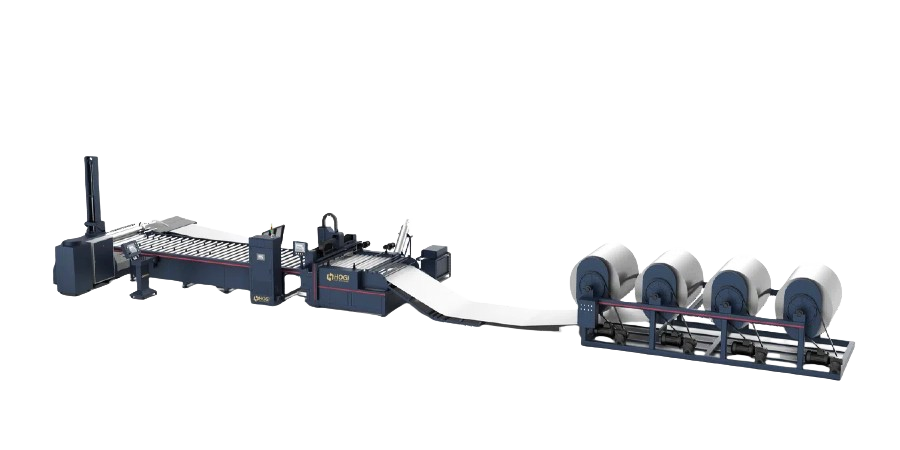
According to the design drawings, stainless steel sheets are cut into the desired shape and size. This process typically uses specialized cutting tools, such as shears or laser cutting equipment, to ensure precision. After cutting, the sheet is rolled into a cylindrical or other shape using a plate roll or bending machine to form the chimney’s straight section. Elbows may require additional molding to ensure a smooth transition of airflow.
Welding and Connections
Welding is a critical step in the fabrication process, directly impacting the chimney’s airtightness and strength. Use methods such as argon arc welding to connect the components, ensuring uniform, flawless welds. Cleaning after welding is required to remove slag and oxides to maintain a smooth surface. Flanges or clamps may also be used to facilitate on-site installation and disassembly. All connection points should be inspected to prevent gas leaks.
Surface Treatment and Polishing
After welding, the chimney undergoes surface treatment to enhance aesthetics and corrosion resistance. This may include polishing, sandblasting, or passivation to remove surface impurities and enhance the protective layer. A polished chimney not only looks cleaner but also reduces the risk of dust accumulation and corrosion. Harsh chemicals should be avoided during treatment to ensure environmental and safety.
Quality Inspection and Testing
As production nears its end, a thorough quality inspection is conducted. Inspections include dimensional accuracy, weld quality, surface condition, and overall structural stability. Air pressure or smoke tests are performed, if necessary, to simulate actual operating conditions and ensure there are no leaks or deformation. Any defects are promptly repaired to prevent subsequent failures.
Packaging and Storage
Qualified chimneys are appropriately packaged, typically with foam or cardboard to protect the surface and prevent scratches during transportation. Basic information and precautions are labeled on the packaging for easy identification and handling. Storage should be in a dry, well-ventilated area, away from moisture or corrosive environments, to maintain product condition.
Installation and Maintenance Tips
Although installation is not part of the production process, compatibility must be considered during production. Ensure accurate on-site measurements before installation and use appropriate support brackets. Routine maintenance includes regular cleaning of carbon deposits and inspection of joints to extend service life. If any problems arise, it is recommended to seek professional assistance.
In summary, the production of stainless steel chimneys is a multi-step process involving material selection, design, processing, and inspection. Each step requires meticulous attention to ensure the functionality and safety of the final product. Through reasonable planning and execution, stainless steel chimneys can effectively serve various occasions and provide reliable exhaust solutions.
Environmental Impact
The height and diameter of the chimney should be determined based on exhaust emissions and environmental requirements to ensure effective exhaust gas dissipation. Stainless steel is recyclable and aligns with sustainable development. Environmental friendliness should be considered during material selection and production.
Economic Analysis
Although stainless steel chimneys require a higher initial investment, they have a long service life and lower maintenance costs. In the long term, their overall cost may be lower than chimneys made of other materials. A comprehensive evaluation based on the specific project circumstances is required.
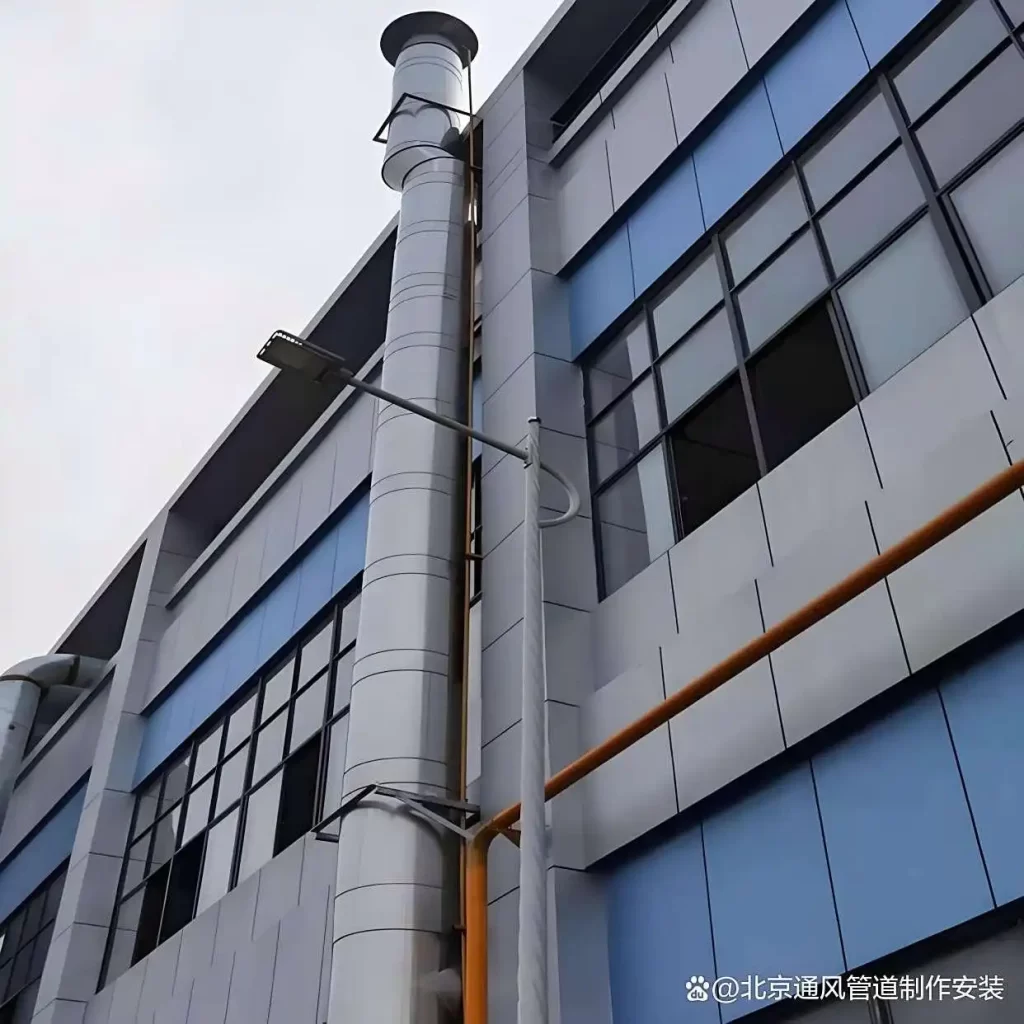
Stainless steel chimneys are primarily made of austenitic stainless steel, with 304 and 316 grades being the most common. 304 stainless steel offers excellent corrosion resistance and ductility, making it suitable for most common environments. 316 stainless steel, however, contains molybdenum, offering even greater corrosion resistance and making it particularly suitable for use in high-humidity or high-salt environments. Chengdu’s humid climate and acidic air make 316 more common.
Stainless steel chimneys are typically constructed in two types: single-layer and double-layer. Single-layer constructions, consisting of a single layer of stainless steel, are more cost-effective and suitable for exhausting cooler temperatures. Double-layer constructions, however, incorporate insulation between the inner and outer layers, effectively reducing heat loss, preventing overheating of the outer wall, and improving safety. Many restaurants in Chengdu choose double-layer stainless steel chimneys for their energy-efficiency and environmental friendliness.
In terms of installation method, stainless steel chimneys can be divided into indoor and outdoor sections. The indoor section is typically concealed within a wall or ceiling, creating a clean appearance. The outdoor section requires protection against wind, rain, and lightning strikes. Installation regulations in Chengdu require chimney outlets to be elevated a certain distance above the roof to prevent exhaust backflow and environmental impact.
The production process for stainless steel chimneys includes multiple steps: cutting, rolling, welding, and polishing. Cutting involves cutting the stainless steel sheet to the desired dimensions according to the design drawings; rolling the flat sheet into a cylindrical shape using a machine; welding requires uniform and airtight welds to prevent air leaks; and polishing creates a smooth surface to reduce dust accumulation and corrosion. These steps ensure the durability and efficiency of the chimney.
The installation of stainless steel chimneys must comply with relevant building codes. The chimney diameter should be calculated based on the discharge volume; excessively large or small chimneys will affect extraction efficiency. The number of elbows should be minimized to reduce airflow resistance. The supporting structure should be diversified and robust to prevent deformation caused by wind or vibration. After installation, an airtightness test should be performed to ensure there are no leaks.
Maintenance is key to extending the lifespan of stainless steel chimneys. Routine maintenance includes regularly removing dust and grease, inspecting welds for cracks, and checking the integrity of the insulation. Some professional companies in Chengdu offer cleaning services, using high-pressure water jets or chemical solvents to remove stubborn stains, but care should be taken to avoid damaging the stainless steel surface.
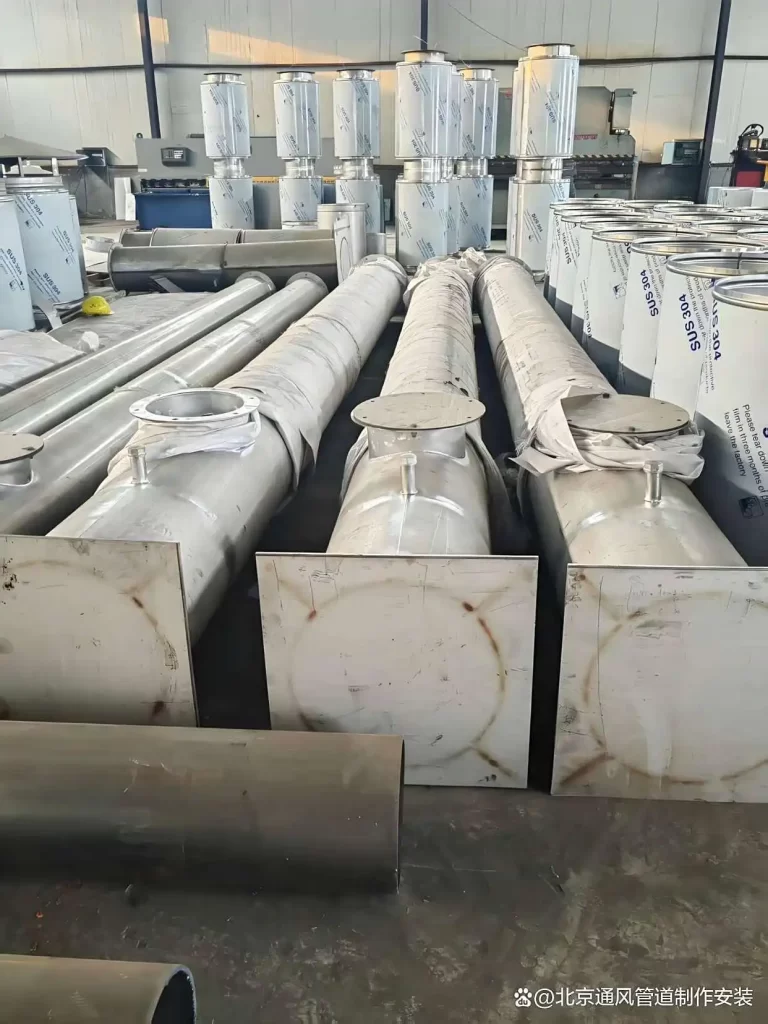
Compared to traditional chimneys, stainless steel chimneys offer several advantages. They are lightweight, reducing the burden on building structures; they are flexible to install and can adapt to complex spaces; they are highly resistant to high temperatures and are less prone to cracking or deformation; and they have a long service life, typically exceeding 10 years. These features make them a preferred choice for commercial buildings in Chengdu.
In terms of cost, the initial investment in stainless steel chimneys may be higher than that of traditional materials, but they are more economical in the long run. Due to its low durability, it reduces the cost of frequent repairs or replacements; the energy-saving design can also reduce fuel consumption, indirectly saving money. Many users in Chengdu have reported that their energy costs have decreased after using stainless steel chimneys.
Environmental performance is another key advantage of stainless steel chimneys. The material itself is recyclable, aligning with the concept of sustainable development; the efficient exhaust system reduces residual harmful substances; and the insulation design reduces thermal pollution. Chengdu is actively promoting green buildings, and the use of stainless steel chimneys is highly compatible with this approach.
When choosing a stainless steel chimney, users need to consider several factors. The material should be determined based on exhaust gas composition and environmental conditions; thickness affects strength and corrosion resistance, with thickness typically ranging from 0.8mm to 1.5mm. The brand and manufacturer’s reputation are also important, so choosing a qualified company is recommended. There are many products available on the Chengdu market, so careful comparison is recommended before making a decision.
In the future, as technology advances, stainless steel chimneys may be integrated with intelligent monitoring systems to monitor emissions data and equipment status in real time, further improving safety and efficiency.
Double-layer Stainless Steel Chimney Introduction
Stainless Steel Insulated Chimney Manufacturer
Double-layer insulated stainless steel chimneys are a new product designed and manufactured by us. Made of stainless steel, they extend the chimney’s service life and maximize the excellent performance of stainless steel chimneys.
This product features a split and modular structure and can be fabricated in any orientation according to design and construction requirements.
Product Applications:
Mainly used for exhausting flue, gas, and waste gases from oil-fired boilers, gas-fired boilers, coal-fired boilers, lithium bromide air conditioning units, generator sets, and various industrial processing equipment. Suitable for hotel and restaurant kitchen exhaust ducts.
★ Lightweight, low load on buildings
★ Beautiful appearance, compatible with modern buildings
★ Easy to maintain, no regular house maintenance required
★ High-temperature resistant, reaching temperatures up to 760°C
★ Easy to install, convenient construction
★ Excellent performance, good airtightness, corrosion resistance, excellent thermal insulation, low resistance, environmentally friendly, safe and reliable
★ Long service life, over 30-50 years
Main forms:
★ Cable-drawn type
★ Tower type
★ Wall-mounted type
★ Free-standing type
★ Floor-penetrating type
★ Beam-penetrating wall-mounted type
Main specifications and materials:
Products are mainly available in two shapes: round (DN150-DN3000) and rectangular/polygonal (any size).
Inner layer: Commonly made of stainless steel SUS304 (0Cr18Ni9 or 0Cr17Ni112Mo2).
Outer layer: SUS304 stainless steel (0Cr18Ni9 or 0Cr17Ni112Mo2), aluminum plate, or galvanized steel sheet.
Main options:
The inner and outer tubes and insulation materials of each chimney component are factory-assembled. On-site installation requires only tightening screws, eliminating the need for on-site welding or riveting, making installation quick and easy.
We design and manufacture stainless steel double-walled insulated chimneys in various diameters, including circular, rectangular, and other cross-sectional shapes. We can also design and manufacture single-walled carbon steel or stainless steel chimneys to meet customer needs.
Stainless steel chimneys complement modern architecture beautifully, adding a touch of aesthetic appeal. Like a beautiful urban sculpture, they create a green and welcoming living and office environment.
A New Choice for Double-Walled Chimneys! Insulated and Durable
Discover a double-walled insulated stainless steel chimney designed specifically for industrial applications. Made of high-quality stainless steel, it offers excellent high-temperature resistance, effectively dissipating smoke and harmful gases, ensuring fresh and healthy indoor air.
Compared to traditional chimneys, this double-walled insulated stainless steel chimney offers significant advantages. First, its double-walled structure, with insulation filling the middle, significantly improves insulation and reduces condensation on the chimney surface, thereby reducing the risk of fire. Second, the corrosion and high-temperature resistance of stainless steel ensures long-term stable operation and a longer service life.
This chimney is suitable for various combustion appliances, such as wall-mounted boilers, gas stoves, and furnaces. Whether used for home heating or industrial applications, this type of chimney can meet your needs. Furthermore, it features easy installation and simple maintenance, saving you time and effort.
Related Keywords: chimney, stainless steel chimney, insulated chimney, household chimney, industrial chimney, chimney smoke exhaust
Features of a Stainless Steel Double-Wall Chimney
A stainless steel double-wall chimney is a special type of chimney constructed from two layers of stainless steel with internal and external insulation. Its primary purpose is to improve the chimney’s thermal efficiency, reduce heat loss from flue gas, and prevent flue gas pollution. Furthermore, stainless steel double-wall chimneys offer excellent corrosion and high-temperature resistance, making them suitable for a variety of industrial and residential applications, such as thermal power plants, steel mills, chemical plants, heating stations, hotels, and restaurants.
Made of stainless steel, double-wall chimneys offer excellent corrosion resistance, making them resistant to corrosive substances such as acids and alkalis in flue gas. Their compact design reduces the chimney’s size and weight, making them easy to install and transport. The modular design allows for easy disassembly and maintenance, extending the life of the chimney. It can also reduce heat loss from flue gas and improve the chimney’s thermal efficiency, thus achieving energy-saving and environmentally friendly results.