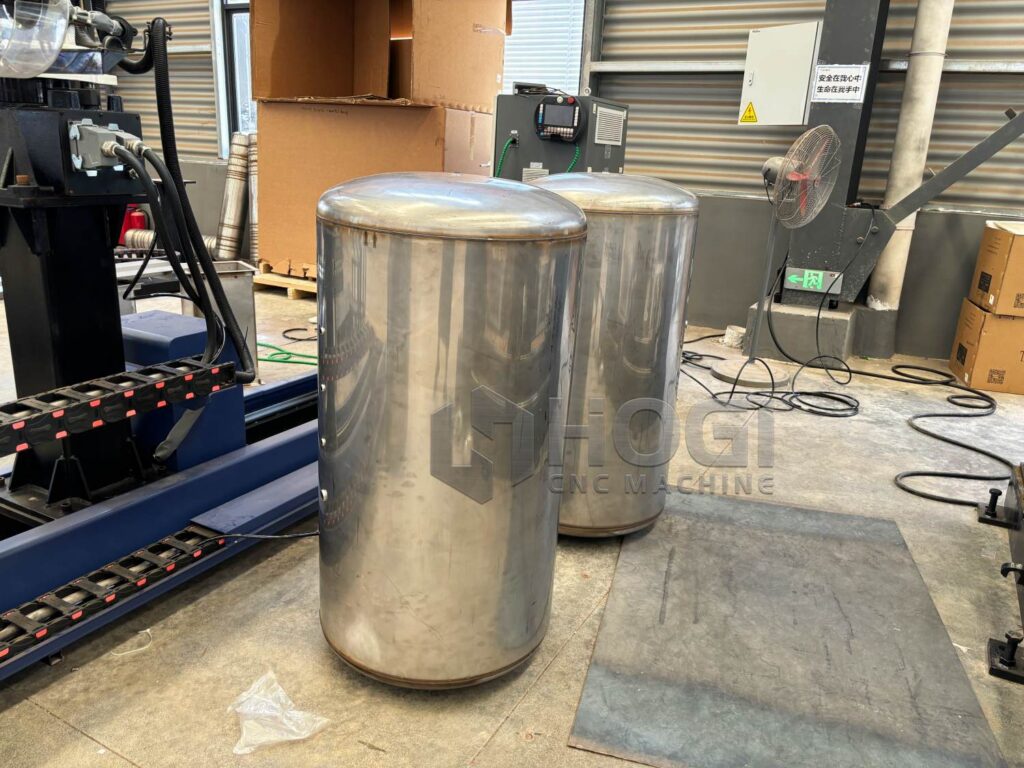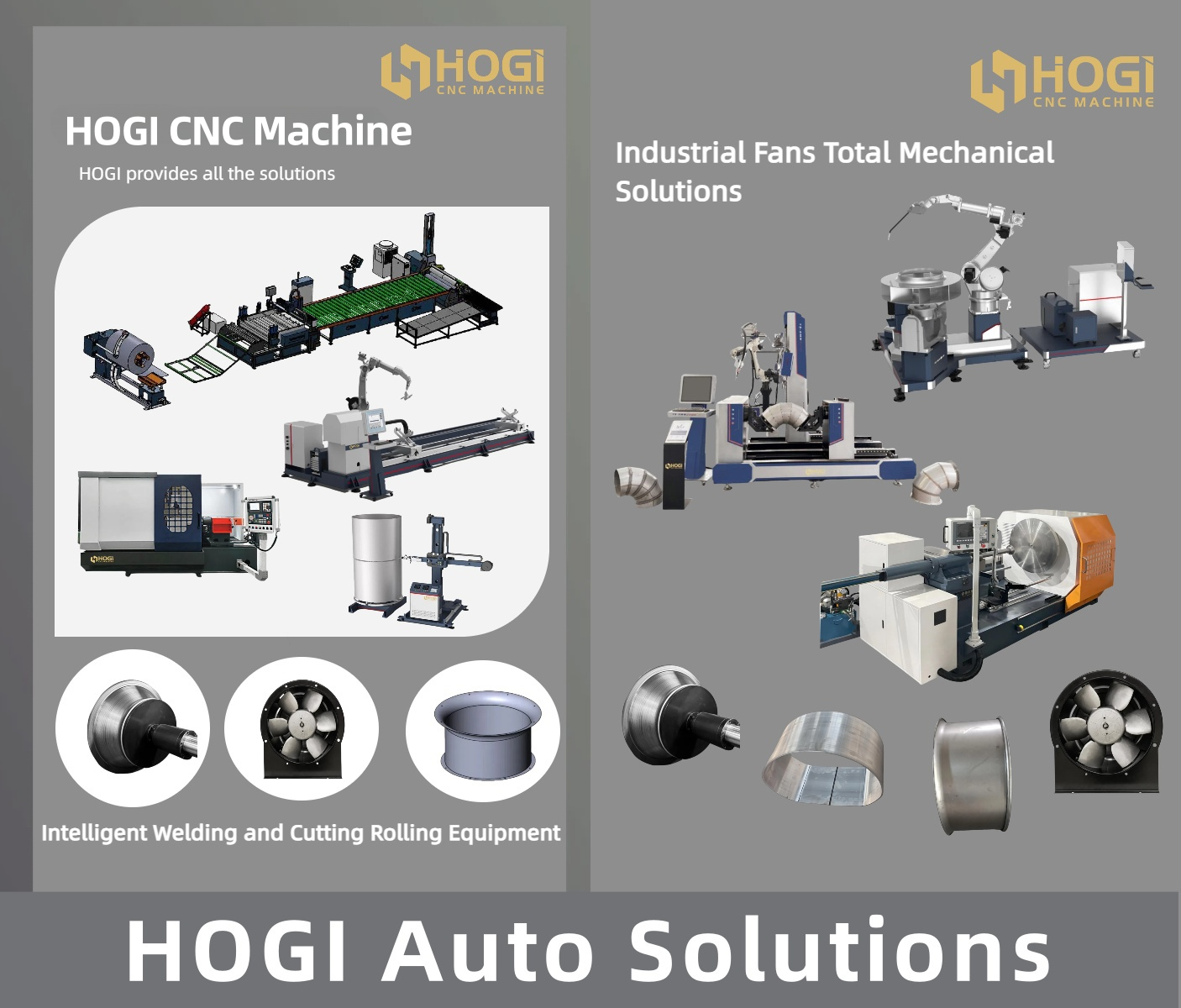
Stainless steel storage tanks serve as core storage equipment in the food, chemical, and pharmaceutical industries. Their manufacturing processes directly impact the equipment’s safety, corrosion resistance, and service life.
Stainless steel tanks are food storage containers primarily made of stainless steel, widely used in food processing, pharmaceuticals, brewing, dairy, chemical, and other industries. They can be categorized by application into brewing, food, and chemical types; by hygiene standards into sanitary and standard grades; and by pressure requirements into pressure vessels and non-pressure vessels. Common types include storage tanks, pressure vessels, and fermentation tanks.
一、Material Preparation and Processing
1. Material Selection
Common Materials: 304/316L/2205/2507 stainless steel (selected based on medium corrosivity, temperature, and pressure)
Sheet Standard: ASTM A240, GB/T 24511, etc.
Thickness Design: Determined through strength calculations, with corrosion allowance reserved.
2. Panel Pre-Treatment
Surface cleaning: Removal of oil contamination and oxide layers (sandblasting or chemical cleaning)
Dimension Marking: Utilize laser marking or template positioning to ensure cutting precision.
二、Cutting and Trimming
1. Sheet Metal Cutting
Plasma cutting: Suitable for medium-thick plates (8-30mm), featuring high efficiency and minimal heat-affected zone.
Laser Cutting: High-precision blanking for thin sheets (≤5mm)
2. Groove machining
V-type/X-type bevel: Designed according to welding procedures, with angle tolerance controlled within ±2°.
Bevel grinding: Remove burrs to prevent welding defects
三、Forming Process
1. Cylinder Body Rolling for Storage Tanks
HOGI 4-roller plate bending machine sectional pre-bending, controlling ovality ≤0.5%D (where D is diameter)
Inspect misalignment after longitudinal seam spot welding (≤10% of plate thickness)
2. Head forming
Cold forming (standard heads) or spin forming (non-standard heads)
Geometric dimension inspection: Deviation in radius of curvature, error in straight edge height
四、Welding Process Control
1. Welding method
HOGI Circumferential seam: Automatic welding (high efficiency, excellent formation)
Takeover/Attachment: Manual Welding (Precision Control)
2. Post-weld treatment
Weld Acid Pickling and Passivation: Restoring Corrosion Resistance
Stress Relieving by Hammering: Reducing Residual Welding Stresses
五、Quality Inspection
1. Non-Destructive Testing
Radiographic Testing (RT): 100% inspection of circumferential welds, Grade II qualification
Penetrant Testing (PT): Inspection for surface defects in fillet welds and pipe connection welds
2. Stress Test
Hydraulic pressure test: Maintain 1.25 times the design pressure for 30 minutes.
Air Tightness Test: Soap Water Inspection for Micro-Leaks
六、Surface Treatment and Accessory Installation
1. Surface polishing
Ra≤0.8μmMechanical Polishing: Food-grade storage tanks Ra ≤ 0.8 μm
Electropolishing: Enhancing Resistance to Intergranular Corrosion
2. Attachment Assembly
≤2mmManhole/Flange: Concentricity deviation ≤2mm
Level Gauge/Thermometer Interface: Pre-welded Reinforcement Plate
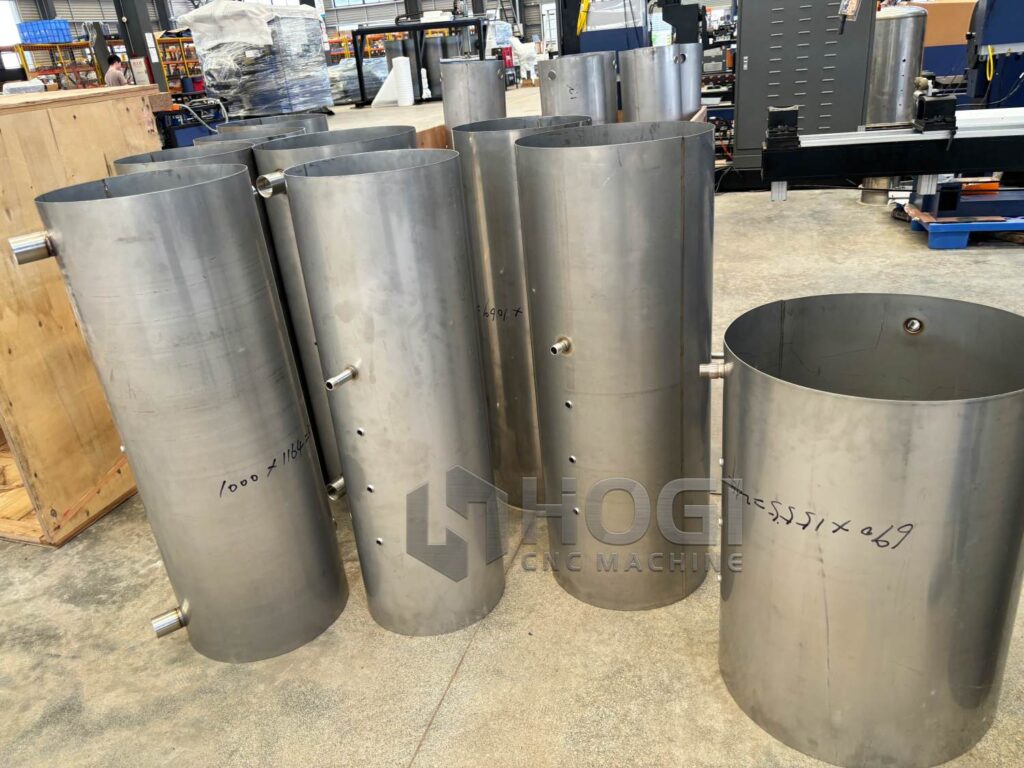
The fabrication of stainless steel storage tanks requires the integration of multidisciplinary knowledge encompassing welding technology, inspection techniques, and stainless steel materials science. Through standardized operational procedures and stringent quality control, long-term stable operation under demanding conditions can be ensured. In the future, the application of technologies such as automated welding robots and digital twin inspection will further enhance process precision and efficiency.
Manufacturing Process of Stainless Steel Storage Tanks
Stainless steel storage tanks, as common storage equipment in industrial fields, are widely used in chemical, food, pharmaceutical, and other industries. Their manufacturing process involves multiple stages including material selection, processing techniques, welding technology, and quality inspection, with each step directly impacting the tank’s performance and service life. Below is a detailed breakdown of the stainless steel storage tank manufacturing process:
**Selection of Stainless Steel Sheets** Choose appropriate stainless steel grades based on tank applications (e.g., corrosion resistance, high-temperature tolerance). Common grades include 304, 316L, and 321. Food industries require food-grade stainless steel (e.g., 304), while chemical industries must consider acid/alkali resistance (e.g., 316L containing molybdenum). – **Thickness Calculation**: Determine tank wall thickness using strength formulas based on design pressure, medium density, and other parameters, while incorporating a corrosion allowance. – **Surface Preparation**: Sheets must undergo polishing or sandblasting to remove oxide layers and oil contamination, ensuring subsequent welding quality.
**Preparation of Auxiliary Materials** Includes fittings such as flanges, nozzles, and manholes. Materials must match the tank body to prevent electrochemical corrosion. Sealing gaskets must be resistant to medium corrosion (e.g., PTFE).
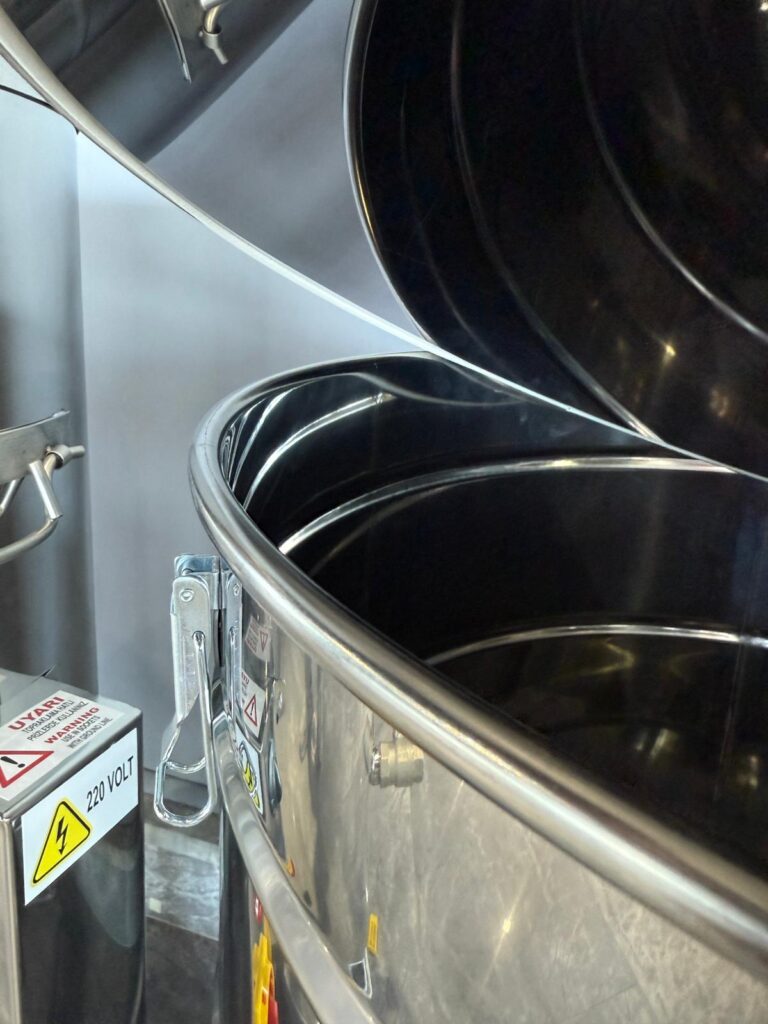
二、Cutting and Forming
1. **CNC Cutting**: Use plasma or laser cutting machines to cut plates to design dimensions, ensuring smooth edges. Curved sections require pre-bending via CNC roll bending machines. – **Marking and Numbering**: Label each plate with a position number to prevent assembly errors.
2.**Rolling and Rounding** Flat plates are progressively formed into cylinders using three-roll or four-roll bending machines, with multiple passes to prevent stress concentration. After forming, the arc curvature is inspected using templates, with tolerances maintained within ±3mm.
三、Welding Process Welding Process
1.**Welding Method Selection** – **Longitudinal Seam Welding**: Submerged arc automatic welding (SAW) or tungsten inert gas welding (TIG) is used for the longitudinal welds of the cylinder body to ensure penetration depth and aesthetic appearance. – **Circumferential Seam Welding**: Manual metal arc welding (SMAW) or automatic welding is used for the circumferential seams between cylinder sections. Symmetrical segmented welding is required to minimize distortion. – **Flange and Nozzle Welding**: TIG welding is employed to prevent intergranular corrosion in the heat-affected zone.
2. **Welding Quality Control** – **Groove Preparation**: V-groove or U-groove with an angle of 60° ± 5°, featuring a 1-2mm blunt edge. – **Inert Gas Shielding**: Argon gas shielding applied to the back side during welding to prevent oxidation. – **Post-Weld Treatment**: Grind welds flush with base metal, followed by acid pickling and passivation to form a dense oxide film.
四、** Assembly and Inspection
**Assembly of Cylinder and Heads** Heads are typically formed by stamping and must ensure concentricity when butted against the cylinder. After assembly, they are spot-welded for fixation before undergoing full welding. – **Installation of Girders**: Large storage tanks require the addition of ring girders to prevent deformation under negative pressure.
**Non-Destructive Testing** – **Radiographic Testing (RT)**: 20% sampling of longitudinal and circumferential welds, meeting Grade II requirements per JB/T4730 standard. – **Penetrant Testing (PT)**: Inspects surface cracks, particularly in fillet welds. – **Pressure Testing**: Hydrostatic test at 1.25 times design pressure, maintaining pressure for 30 minutes without leakage.
五、** Surface Treatment and Accessory Installation
1.**Polishing and Acid Washing** The inner and outer surfaces of the tank shall be mechanically polished to Ra ≤ 0.8 μm (food-grade requirement) or electrolytically polished to enhance corrosion resistance. Acid washing solutions must undergo neutralization treatment to prevent residue.
2. **Accessory Installation** – **Manholes and Sight Glasses**: Quick-opening manholes facilitate maintenance; sight glasses must withstand pressure and maintain a tight seal. – **Level Gauges and Thermometers**: Install PTFE gaskets at flange connections. – **Legs or Saddles**: Calculate loads for bottom supports to prevent stress concentration.
六、** Final Inspection and Factory Release
1.**Dimension Verification** Check overall height and diameter deviation (≤±0.5%), and flange orientation error (≤±5°).
**Cleaning and Packaging** Interior surfaces wiped with alcohol, wrapped in rust-proof film, and secured with wooden crates during transport to prevent impact damage. – **Document Delivery**: Includes material certificates, welding records, pressure test reports, etc.
Precautions – **Environmental Control**: Maintain humidity below 60% during welding to prevent delayed cracking. – **Stress Relief**: Perform annealing treatment (e.g., heating to 600°C with slow cooling) after welding thick plates. – **Deformation Prevention Measures**: Use reverse deformation fixtures for large tanks, following a welding sequence of “inner-to-outer, symmetrical welding.” — Following this process ensures stainless steel storage tanks meet requirements for high strength, superior sealing, and extended service life. Custom adjustments based on client specifications (e.g., GMP certification, explosion-proof design) are implemented during production to guarantee equipment safety and reliability.
The importance of 304 stainless steel tanks in industries such as food processing, medical equipment, and architectural decoration is self-evident. These tanks offer exceptional corrosion resistance and an aesthetically pleasing appearance, making them widely adopted across various sectors.
Suitable Materials
The primary materials used to manufacture 304 stainless steel tanks include grades such as 201, 202, 301, 316L, and 310S. Among these, 304 stainless steel is a commonly used food-grade material offering excellent corrosion resistance and mechanical properties, making it an ideal choice for tank fabrication. Meanwhile, 201 and 202 stainless steels feature higher strength and wear resistance, rendering them suitable for equipment requiring enhanced performance.
- Application Scenarios
1. Food Processing In the food processing sector, 304 stainless steel cans have become a common packaging container. Their excellent corrosion resistance and hygienic properties effectively protect food and extend its shelf life. Particularly in packaging requiring high-temperature sterilization and refrigeration, 304 stainless steel cans demonstrate outstanding performance.
2. Medical Equipment In the medical equipment sector, 304 stainless steel tanks are extensively used for pharmaceutical storage and transportation. Due to their non-toxicity and harmlessness to medications, coupled with excellent corrosion resistance and sealing properties, they have become the preferred choice in the healthcare industry.
3.Architectural Decoration In the field of architectural decoration, 304 stainless steel tanks have become a common element in modern buildings due to their aesthetically pleasing appearance and robust durability. For instance, they serve as the primary material for facilities such as water tanks and storage containers, offering both visual appeal and practical functionality.
The manufacturing process for 304 stainless steel tanks is intricate and demanding, requiring strict control over temperature and welding quality at every stage. These tanks are widely used in food processing, medical equipment, and architectural decoration due to their corrosion resistance, aesthetic appeal, and robust durability. With ongoing technological advancements, the manufacturing techniques and application value of 304 stainless steel tanks are expected to be further enhanced in the future.