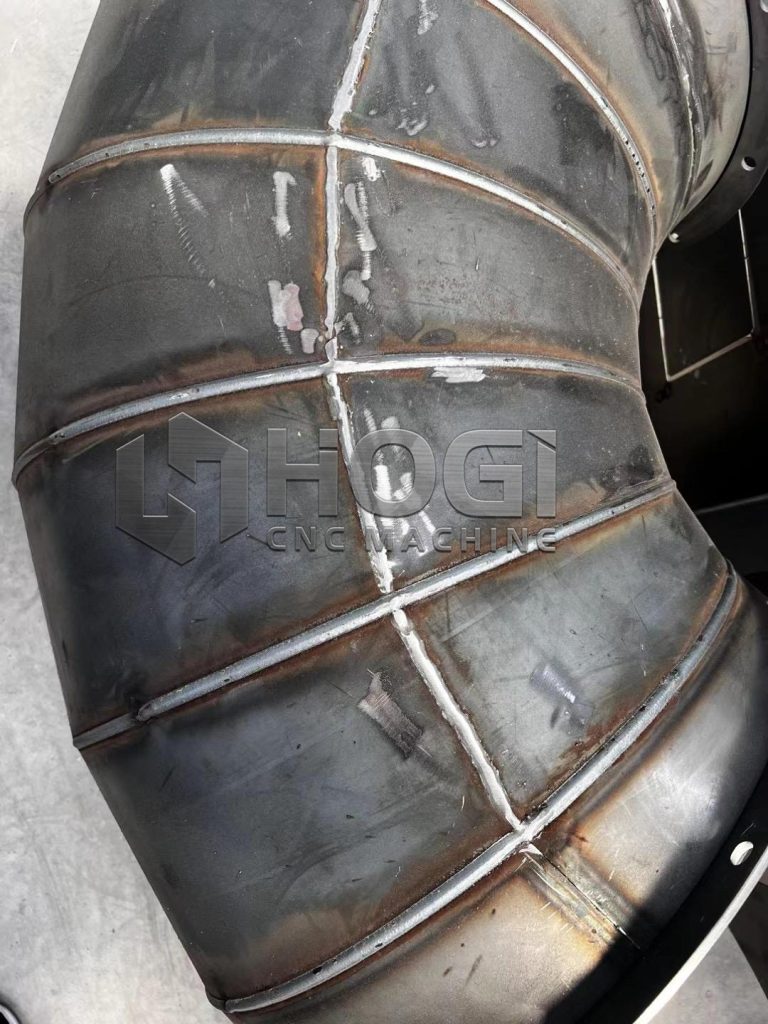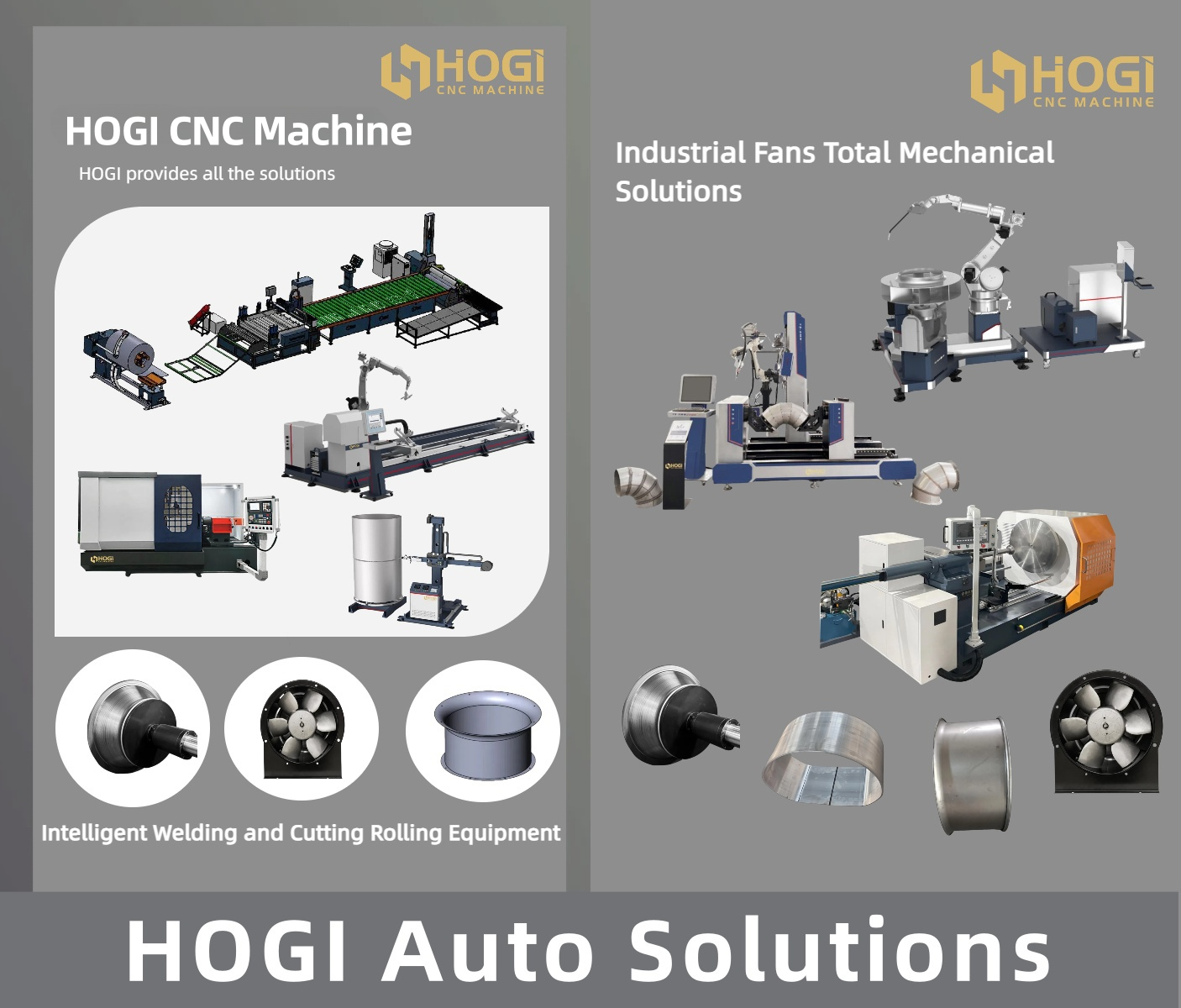
Seam Welding Machine are essential tools in modern manufacturing, offering precise and reliable welding solutions for various industrial applications. These machines are designed to join metal sheets continuously along a seam, creating strong and durable bonds. Seam welding technology is widely used in automotive, aerospace, HVAC, and household appliance industries, where high-quality, consistent welds are required.
Understanding Seam Welding Machines
A seam welding machine is a specialized welding system that uses continuous pressure and electric current to fuse metal sheets along a joint. The machine typically employs rotating wheel electrodes that roll along the seam, ensuring uniform heat distribution and consistent weld quality. Unlike spot welding, which creates discrete points, seam welding produces continuous weld lines, making it suitable for applications that demand airtight or liquid-tight joints.
Components and Construction
Seam welding machines consist of several key components, including transformer units, electrode wheels, pressure mechanisms, and control systems. The transformer unit regulates the electric current used for welding, while the electrode wheels apply pressure and conduct electricity to the metal surfaces. The pressure mechanism ensures that the sheets are held firmly during the welding process, preventing gaps or misalignment. Modern machines incorporate digital control systems for monitoring welding parameters such as speed, current, and pressure, allowing for precise adjustments and consistent results.
Applications Across Industries
Seam welding machines are used in a wide range of industries due to their versatility and reliability. In the automotive sector, they are employed for welding fuel tanks, exhaust components, and body panels. Aerospace manufacturers use seam welding for fuselage sections, ducting, and structural components that require strong and consistent joints. Household appliance manufacturers utilize these machines for assembling washing machines, refrigerators, and ovens. Additionally, HVAC systems and metal containers benefit from airtight welds produced by seam welding technology.
Advantages of Seam Welding Machines
Seam welding machines provide several advantages in industrial manufacturing. They produce continuous, high-quality welds that enhance the structural integrity of the final product. The process is efficient, allowing for high-speed production and reducing the need for post-weld finishing. The use of rotating electrodes ensures uniform pressure and heat distribution, minimizing defects and improving overall weld consistency. Advanced machines offer automation and programmable controls, which increase precision, reduce human error, and support large-scale production.
Maintenance and Operation
Proper maintenance and operation are crucial for the optimal performance of seam welding machines. Regular inspection of electrode wheels, pressure mechanisms, and electrical components helps prevent wear and ensures consistent weld quality. Lubrication, alignment checks, and calibration of control systems are necessary to maintain machine efficiency. Skilled operators monitor welding parameters, adjust settings as needed, and troubleshoot potential issues. Adhering to manufacturer guidelines ensures the longevity and reliability of the equipment.
Conclusion
Seam welding machines play a vital role in manufacturing industries that require precise, continuous, and durable metal joints. Their advanced technology, reliable performance, and versatility make them indispensable in automotive, aerospace, household appliance, and HVAC applications. By combining efficiency, precision, and durability, seam welding machines enable manufacturers to produce high-quality welded components that meet demanding industry standards.