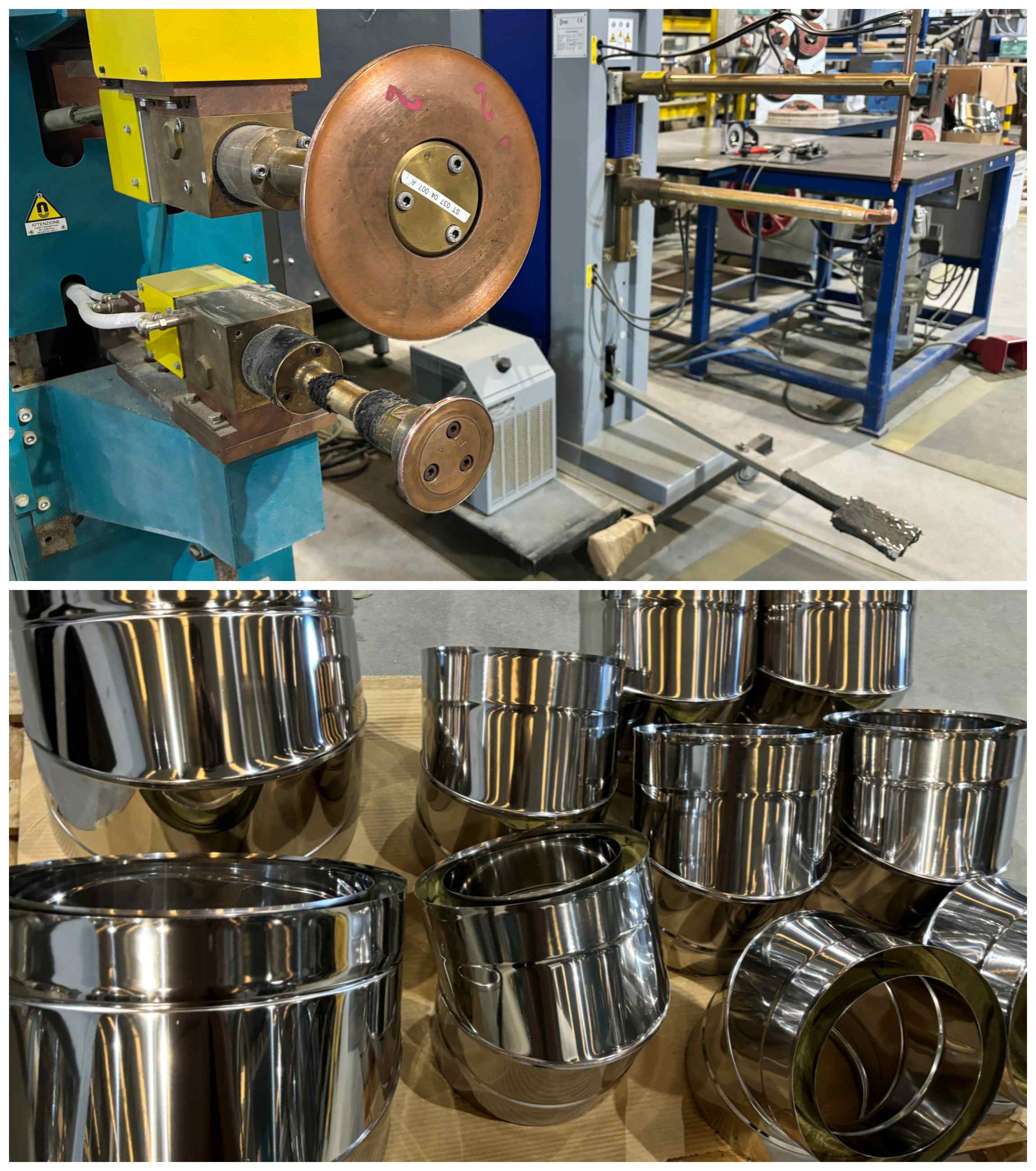
Stainless steel ductwork offers exceptional resistance to moisture, corrosion, and toxic gases, while maintaining an aesthetically pleasing appearance. The stainless steel material used in our ductwork is easy to process and can be finished with either a matte or mirror-polished surface.#chimney
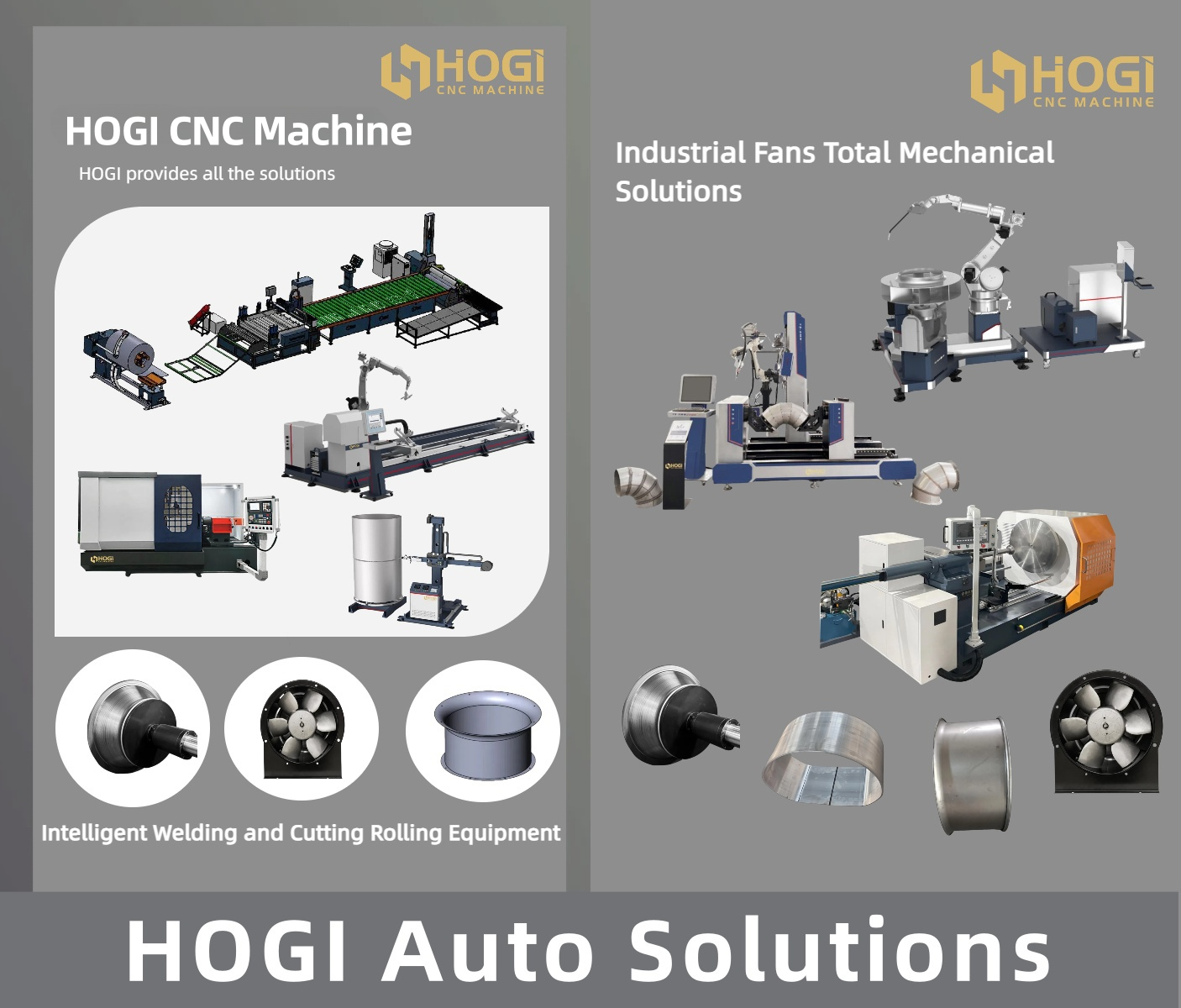
We utilize state-of-the-art equipment to manufacture stainless steel ductwork and precision and eliminating defects. We employ programmable plasma cutters for fabricating components, and all finished products undergo mandatory quality control.fittings. All production processes are highly automated, ensuring high geometric
he exceptional resistance of steel to external physical and chemical damage is achieved through alloying—the process of altering its composition to enhance material properties. Thus, stainless steel alloys are formed by combining iron and chromium. Chromium possesses outstanding corrosion resistance. Beyond these two metals, the alloy may also contain other additives that impart new properties to the steel.
1.Material Preparation
Material Selection and Properties Stainless steel chimneys typically utilize austenitic stainless steel grades such as 304 or 316. These materials contain elements like chromium and nickel, enabling the formation of a dense oxide layer that resists corrosion. In contrast, traditional brick chimneys constructed with clay bricks and cement mortar are prone to cracking or spalling when exposed long-term to high temperatures and acidic flue gases.
While ordinary carbon steel chimneys are relatively inexpensive, they are prone to rust and have a shorter service life. Stainless steel materials also offer superior ductility and strength, enabling them to accommodate thermal expansion and contraction caused by temperature changes, thereby reducing structural stress. The primary material is stainless steel plate, typically selected with a thickness ranging from 0.5mm to 1.2mm. During the material preparation stage, the stainless steel plate undergoes processes such as cutting, bending, and drilling to ensure the desired shape and dimensions are achieved.
2.Key Manufacturing Process Points
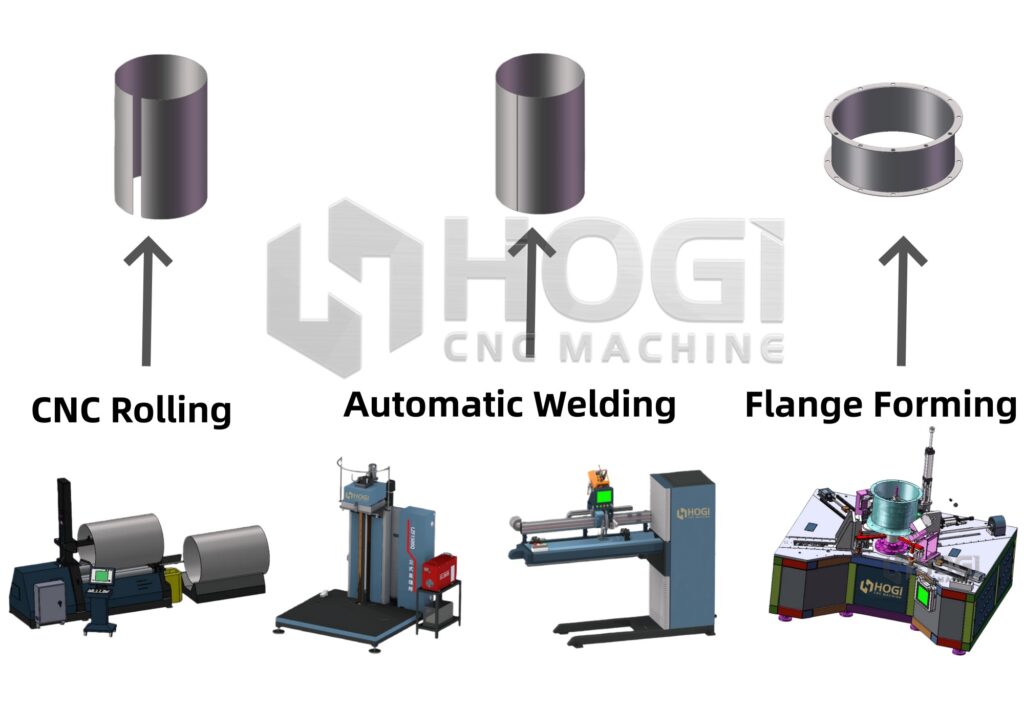
The fabrication of stainless steel chimneys primarily involves cutting, rolling, welding, and surface treatment. Stainless steel plates are cut to the required dimensions according to design drawings, then formed into cylindrical shapes using a rolling machine. Welding is a critical step, typically performed using the argon arc welding process to ensure uniform welds and prevent leaks.
Compared to traditional chimneys, stainless steel chimneys feature a higher degree of modularity, with many components prefabricated in factories to reduce on-site construction time. Brick chimneys, however, require layer-by-layer construction, which is time-consuming and highly susceptible to weather conditions. Welding quality in standard metal chimneys is often subpar, prone to cold welds or corrosion risks.
3.Sheet metal fabrication
Sheet metal fabrication is a critical step in the production of stainless steel chimneys, requiring various plastic forming techniques including bending, flanging, and pressing. Specifically, bending refers to curving sheet metal at a specific angle; flanging involves folding the edge of a sheet metal plate into a right angle or diamond shape; flanging entails shaping one side of the sheet ined form; and pressing achieves forced forming of the sheet metal plate using a die.
4. Welding
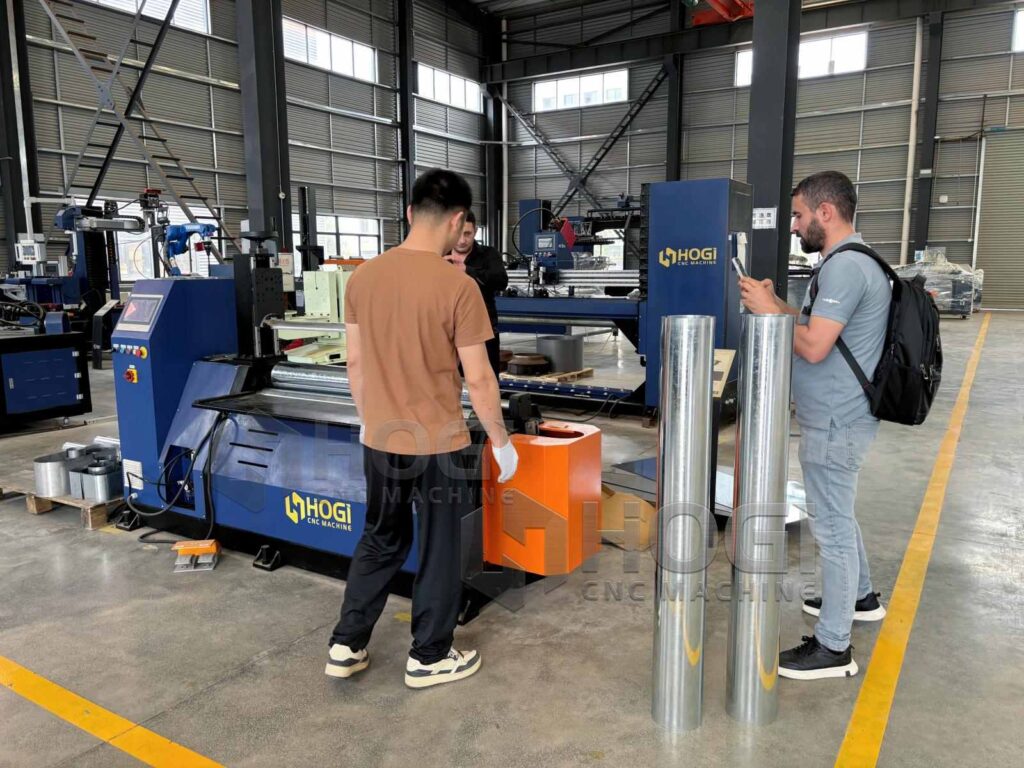
After sheet metal fabrication is completed, the individual components must be welded together. Stainless steel chimneys typically employ TIG welding technology, which offers advantages such as fast welding speed, aesthetically pleasing welds, and reliable quality. However, this process requires skilled operators and demands high standards for weld quality.
5.Polishing
After welding is completed, polishing is required to enhance the surface finish and aesthetic appeal of the stainless steel chimney. Polishing employs two methods: mechanical polishing and chemical treatment. Mechanical polishing necessitates the use of polishing machinery, while chemical treatment involves applying a polishing compound for processing.
6.Installation Process and Precautions
The installation process must follow strict procedures to ensure safety and functionality. The installation location and foundation structure must be verified, typically requiring a concrete base for support. Chimney sections are then hoisted in segments and secured using flange connections or slip-joint methods. High-temperature resistant sealing materials must be applied at each joint to prevent flue gas leakage. Support brackets and wind braces must be installed to enhance stability.
Compared to traditional chimneys, stainless steel chimneys are lighter in weight and require less foundation support, making them suitable for multi-story buildings or rooftop installations. However, during installation, care must be taken to avoid interference with other pipes or wires, and sufficient maintenance space must be ensured.
7.Quality Inspection and Packaging
The final step involves quality inspection and packaging of the stainless steel chimney. Quality inspection entails examining welding quality, surface finish, dimensional accuracy, and other aspects to ensure product compliance. Packaging typically utilizes cardboard boxes with shock-absorbing materials to prevent damage during transportation.
8.Usage, Maintenance, and Durability
The daily maintenance of stainless steel chimneys is relatively straightforward, primarily involving regular inspections for surface ash buildup or signs of corrosion, along with cleaning internal carbon deposits. Under normal operating conditions, their lifespan can exceed 20 years.
In contrast, brick chimneys require frequent inspections for loose masonry, resulting in higher maintenance costs. Standard metal chimneys are susceptible to corrosion from acidic substances, necessitating the replacement of sections every few years. Stainless steel chimneys offer superior high-temperature resistance and can withstand continuous exposure to hot flue gases, but prolonged operation beyond capacity must be avoided to prevent material fatigue.
9.Comparison with Other Types of Chimneys
From a cost perspective, stainless steel chimneys require a higher initial investment, with material and fabrication costs typically 30%-50% higher than brick or standard metal chimneys. However, over the long term, their durability and low maintenance requirements may result in lower overall costs. For instance, while brick chimneys have lower initial costs, they necessitate crack repairs or relining every few years, with cumulative expenses potentially exceeding those of stainless steel models.
In terms of adaptability, stainless steel chimneys are better suited for modern buildings due to their modular design, which allows flexible adjustment of height and shape. Brick chimneys, on the other hand, occupy more space and impose higher load-bearing requirements on building structures.
In terms of environmental friendliness, stainless steel materials are recyclable, reducing resource waste. Their smooth inner walls minimize flue gas resistance, enhancing exhaust efficiency and lowering energy consumption. Conventional metal chimneys tend to accumulate deposits on their inner surfaces, impairing ventilation performance.
10.Frequently Asked Questions and Solutions
In practical applications, potential issues with stainless steel chimneys include condensation buildup, thermal deformation, or leaks at joints. To address condensation, insulation layers can be added inside the chimney or drainage outlets designed. Thermal deformation can be mitigated by adding expansion joints or flexible sections. Leakage issues require regular inspection of seals and timely replacement. Compared to traditional chimneys, these problems are more readily solved with modern technology, whereas cracks or leaks in brick chimneys often necessitate extensive repairs.
11.Summary
The production process of stainless steel chimneys encompasses multiple stages including material preparation, sheet metal fabrication, welding, and polishing, each presenting its own technical challenges and requirements. The fabrication and installation of stainless steel chimneys demand meticulous attention to detail, offering advantages in durability, safety, and adaptability. While the initial cost is higher, the long-term value is substantial. Consumers should thoroughly understand the quality and manufacturing processes when selecting stainless steel chimneys to ensure reliable product performance. Compared to other chimney types, they offer greater practicality in modern architecture, though material and design choices must be tailored to specific requirements.