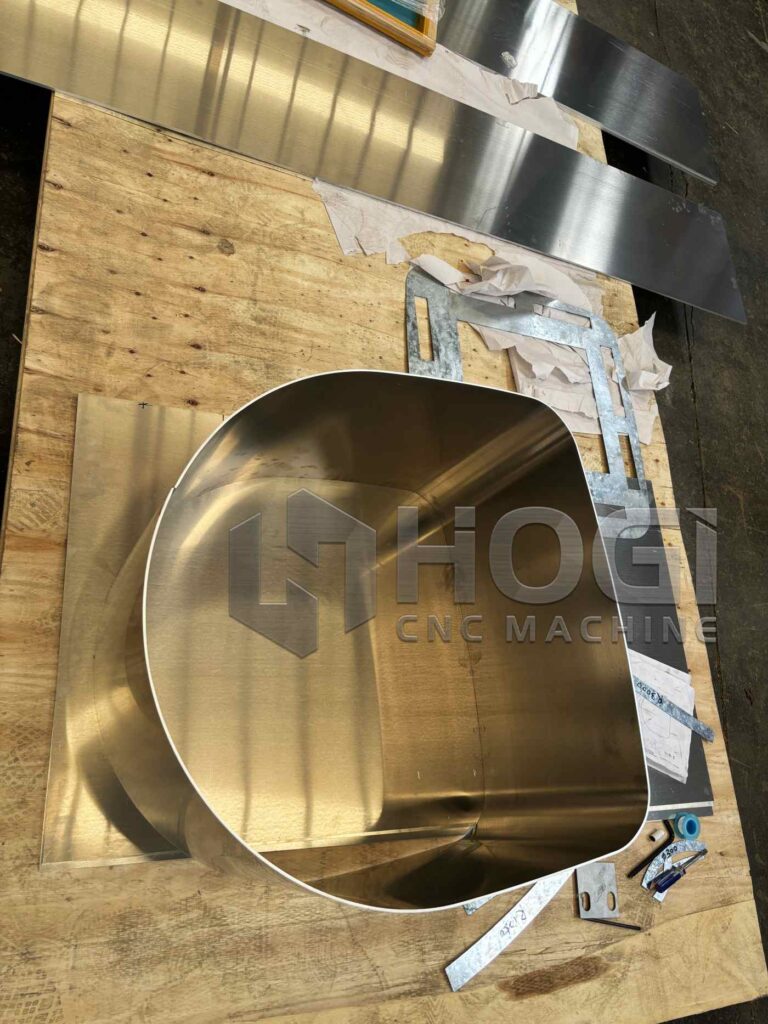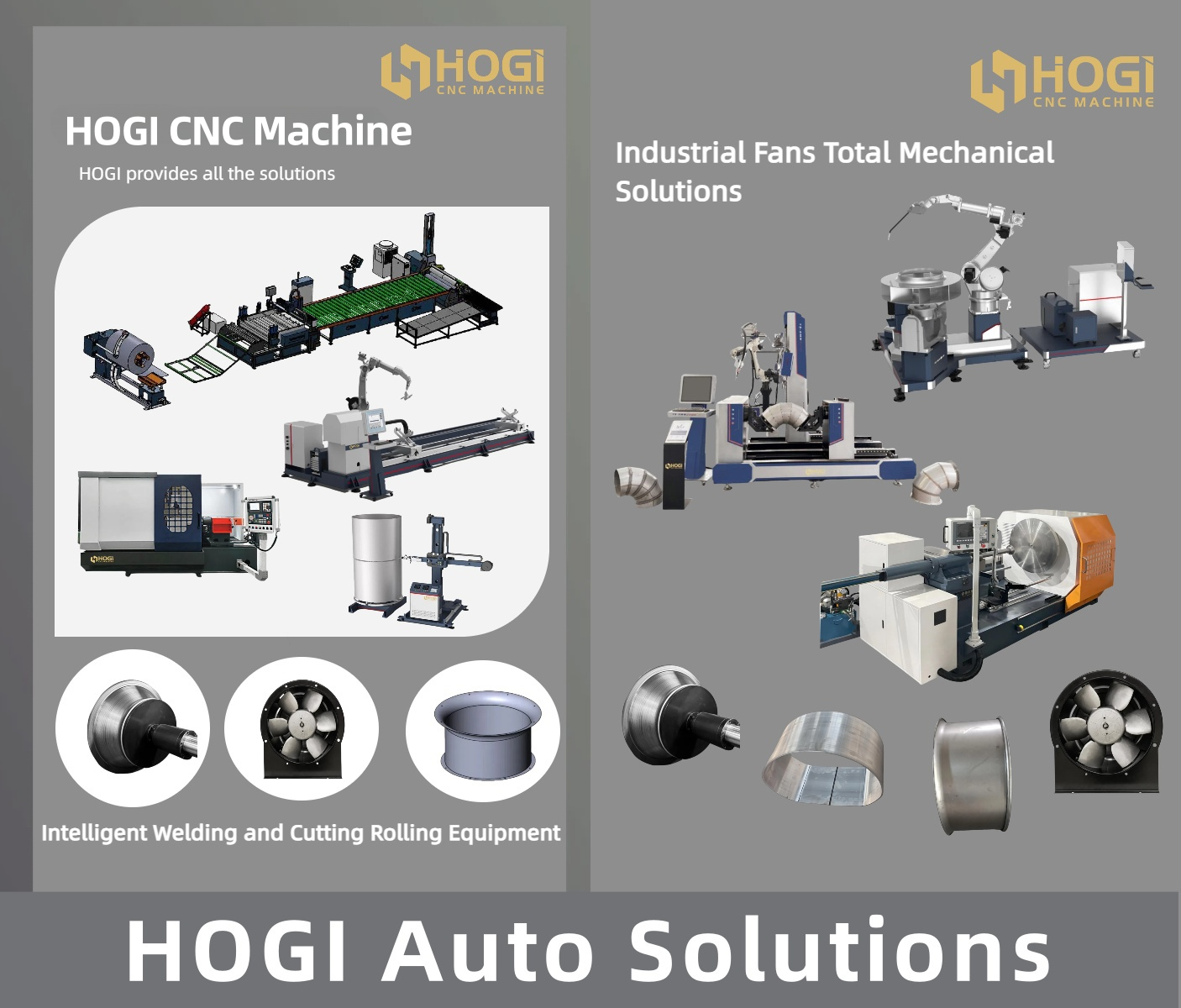
Elliptical Plate Bending Machine are specialized industrial equipment used to shape metal plates into elliptical or cylindrical forms. These machines are essential in sectors such as construction, shipbuilding, pressure vessel manufacturing, and engineering projects where precision and consistency are required. By applying controlled pressure, these machines enable the bending of metal plates into complex curves without compromising structural integrity.
Working Principle of Elliptical Plate Bending Machine
The machine operates by applying force to a flat metal plate positioned between rollers or dies. The rollers or bending tools gradually deform the plate into the desired elliptical shape. The process requires precise control of force, alignment, and feed rate to ensure uniform curvature. Modern machines often use hydraulic or mechanical systems to achieve smooth bending with minimal manual intervention.
Components of the Elliptical Plate Bending Machine
Elliptical plate bending machines consist of several key components. The frame provides structural stability, while the rollers or bending dies shape the metal. Hydraulic or mechanical drives control the movement and pressure applied to the plate. Other components include control panels, adjustment mechanisms, and safety systems to ensure accurate operation and operator protection. Each component works together to deliver consistent bending results.
Materials and Plate Specifications of Elliptical Plate Bending Machine
These machines can bend various types of metal plates, including steel, stainless steel, aluminum, and other alloys. Plate thickness and dimensions influence the machine’s settings and capabilities. Proper selection of rollers, pressure, and bending sequence is necessary to accommodate different materials and achieve the desired shape. Machines are often designed to handle a wide range of plate sizes for versatility in industrial applications.
Elliptical Plate Bending Machine Applications Across Industries
Elliptical plate bending machines are widely used in industrial fabrication. In the construction industry, they produce components for architectural structures and building frameworks. Shipbuilding relies on these machines for forming hull sections and curved panels. Pressure vessel manufacturing uses elliptical bending for tank heads and storage containers. Engineering and metal fabrication workshops utilize these machines for customized metalwork and specialized projects.
Technological Advancements of Elliptical Plate Bending Machines
Modern elliptical plate bending machines incorporate advanced technology to improve precision, efficiency, and safety. CNC (computer numerical control) systems allow automated control of bending angles, speed, and pressure. Sensors and monitoring systems provide real-time feedback, ensuring accuracy and reducing material waste. Technological advancements also enable bending of complex shapes and large plates that were previously challenging to form manually.
Maintenance and Operational Considerations
Regular maintenance is essential to ensure the machine operates reliably. This includes lubrication of moving parts, inspection of rollers and hydraulic systems, and calibration of control mechanisms. Operators are trained to monitor performance, adjust settings for different plate specifications, and follow safety protocols. Proper operation and maintenance extend the machine’s lifespan and maintain consistent bending quality.
Conclusion
Elliptical plate bending machines are vital equipment for shaping metal plates into precise elliptical forms. By combining advanced mechanics, control systems, and versatile material handling, these machines serve industries such as construction, shipbuilding, and engineering. Technological improvements, along with careful operation and maintenance, ensure high-quality, consistent results for a wide range of metal fabrication applications.