Basic Definitions and How It Works
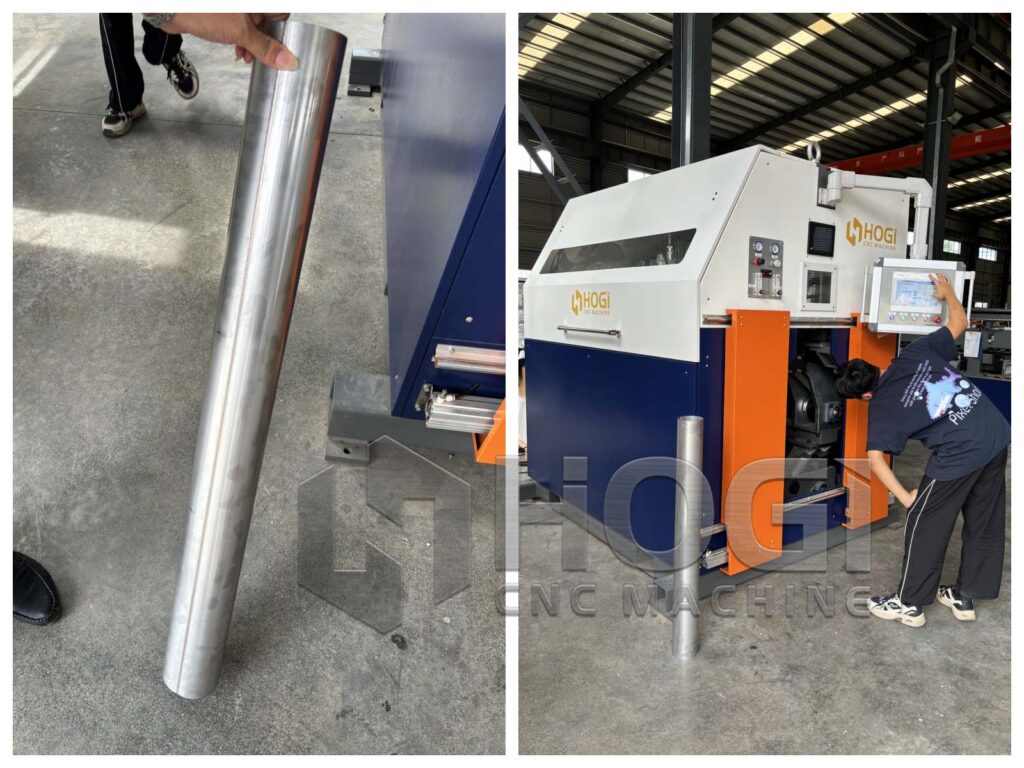
This automated fiber-optic continuous laser welding equipment, specifically designed for longitudinal straight seams on cylinders, relies on high-precision linear servo modules to drive the laser head at a constant speed, or on fixtures to move the workpiece, using a high-energy fiber laser to fuse the entire straight seam in a single pass.
Core Principles
Fiber lasers generate high-energy, high-density, monochromatic laser beams that are transmitted through optical fibers to the welding head, where they are focused into an extremely small spot, instantly melting or even vaporizing the base metal to form a molten pool. As the laser beam continuously moves, the molten pool rapidly cools and solidifies, firmly fusing the two metal pieces together. This is a type of fusion welding.
Laser Source
Mainstream continuous-wave fiber lasers, with stable energy output, are suitable for continuous full-penetration welding; Welding mode: keyhole deep-penetration welding, with an extremely small spot size (0.1–0.3 mm), resulting in a narrow weld bead and deep penetration; Motion logic: the welding head moves in a straight line at a constant speed, while the fixture clamps the sheet metal at the butt joint; the laser beam is guided at a constant speed via CNC control throughout the process, ensuring a uniform weld bead without any breaks. #LongitudinalLaserSeamWeldingMachine
Core Components of the System
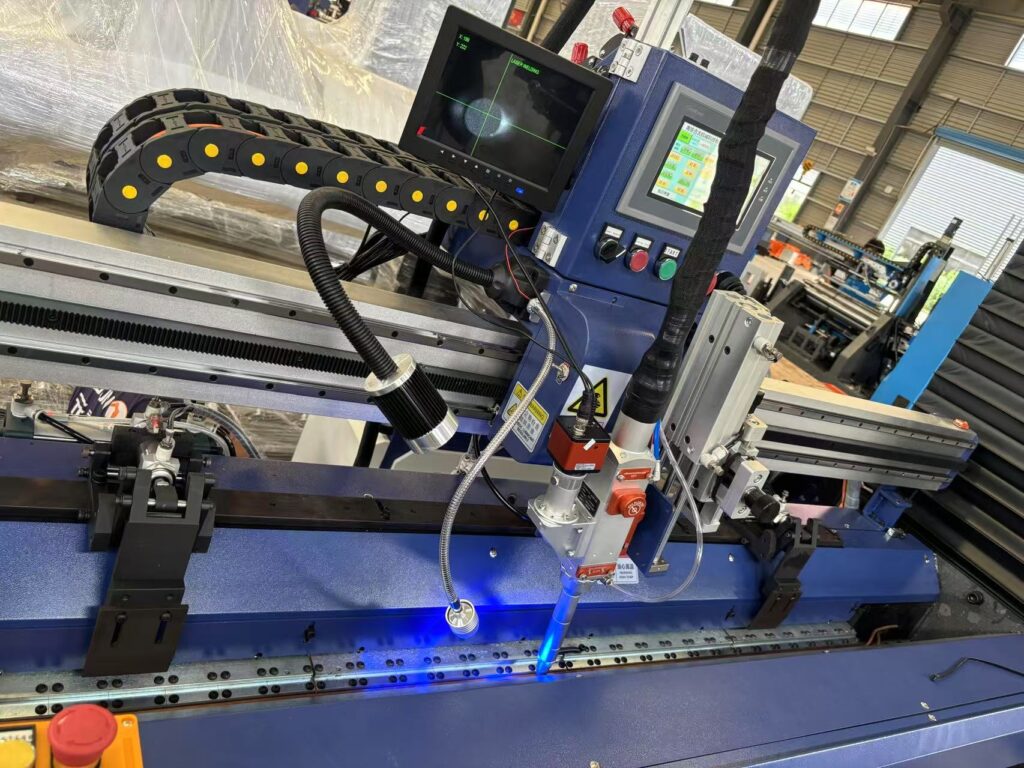
1. Fiber laser: Main power ratings are 1000W, 1500W, 2000W, and 3000W. For thin sheets (0.3–3 mm), select 1500–2000W; for thick sheets (3–6 mm), use 3000W or higher;
2. CNC Linear Motion System: Precision linear guides + servo motors, repeatability of ±0.03 mm, welding speed of 0.5–3 m/min;
3. Dedicated Fixturing
Flat Plate Model: Pneumatic clamping plates ensure gap-free butt joints;
Cylindrical Model: Expanding clamping fixtures secure the rolled cylinder for welding longitudinal seams;
Welding Head: Standard swing welding head (optional) to widen the weld bead and prevent missed welds; optional weld bead visual tracking to automatically compensate for plate misalignment;
Control System: Dedicated standalone CNC screen for welding, capable of storing multiple sets of process parameters, including power, speed, defocus amount, and arc extinguishing ramp-down;
Auxiliary Systems: Coaxial shielding gas (argon), chiller, and fume extraction system.
Key Advantages (Compared to TIG Welding / CO₂ Shielded Straight-Seam Welding Machines)
Minimal distortion: The heat-affected zone is narrow, and thin sheets require virtually no flattening or grinding after welding;
Aesthetically pleasing welds: Fine fish-scale patterns with no spatter; products for kitchens, bathrooms, and medical devices can be shipped directly as finished goods;
Extremely high efficiency: Speed is 5–10 times that of TIG welding, doubling mass production capacity;
Higher strength: Deep penetration welding ensures sufficient weld depth, resulting in better airtightness and pressure resistance;
Stable automation: Once parameters are locked in, weld consistency is uniform across every piece, resulting in low rework rates;
Cost-effective: Consumes only argon gas; no welding wire or tungsten electrodes are required, leading to low long-term production costs.
Standard Process Flow for Automatic Laser Long-Seam Welding Machines
1: Workpiece Pretreatment
Remove grease, water stains, scale, and galvanized coatings from the butt joints of sheet metal; for rolled workpieces, ensure the butt joint gap is ≤0.1 mm—a larger gap may result in porosity or missed welds; straighten the sheet metal to ensure flatness and prevent misalignment due to uneven edges.
2: Workpiece Clamping and Alignment
Flat-plate model: Place the workpiece on the worktable and secure it with a pneumatic clamping plate, ensuring that the butt joint is aligned with the laser’s path;
Cylindrical model: Insert the cylinder into the expansion fixture, expand it from the inside to eliminate deformation, and align the longitudinal straight seam with the weld bead;
3: Retrieving Welding Process Parameters
Enter or call up preset programs in the CNC system: laser power, welding travel speed, defocus amount, shielding gas flow rate, light-up duration, power ramp-up for arc initiation, and power ramp-down for arc termination. Parameters for different thicknesses of stainless steel, aluminum, and carbon steel are stored separately and can be switched with a single button press.
4: Start Welding (Automatic Operation)
Press the start button, and the welding head automatically moves to the starting point of the weld; the laser initiates the arc, and argon gas is released simultaneously; the servo motor moves at a constant linear speed, welding the entire straight seam continuously in a single pass; upon reaching the end of the weld, the laser power is gradually reduced to extinguish the arc, preventing end-of-weld concavity and cracks.
5: Welding complete; release the workpiece
Turn off the laser; allow the shielding gas to continue flowing for a few seconds to cool the weld; the fixture automatically releases the clamping plate and retracts the tensioning shaft; remove the workpiece and visually inspect the weld for porosity, incomplete fusion, or discoloration.
Mainstream Applications (Commonly Used in Sheet Metal Fabrication and Kitchenware)
1. Kitchen and Bath Appliances: Stainless steel kettle liners, sinks, insulated containers, water heater liners;
2. Sheet Metal Ductwork: Ventilation ducts, long panels for equipment enclosures and cabinets;
3. New Energy: Lithium-ion battery casings, energy storage enclosures, aluminum cylinder bodies;
4. Pressure Vessels / Hardware: Small air tanks, steel rims, pipe cylinders;
5. Medical Devices: Stainless steel clean tanks, precision instrument housings;
6. Automotive Parts: Muffler cylinders, sheet metal longitudinal seam components.
Key Options
1. Visual weld tracking: Automatically fine-tunes the welding torch when there are misalignments in sheet metal butt joints, eliminating missed welds;
2. Oscillating welding head: Widens the weld bead to improve sealing performance and ensures more stable welding of thick sheets;
3. Multilingual Control System: Interfaces available in Chinese, English, German, and Spanish;
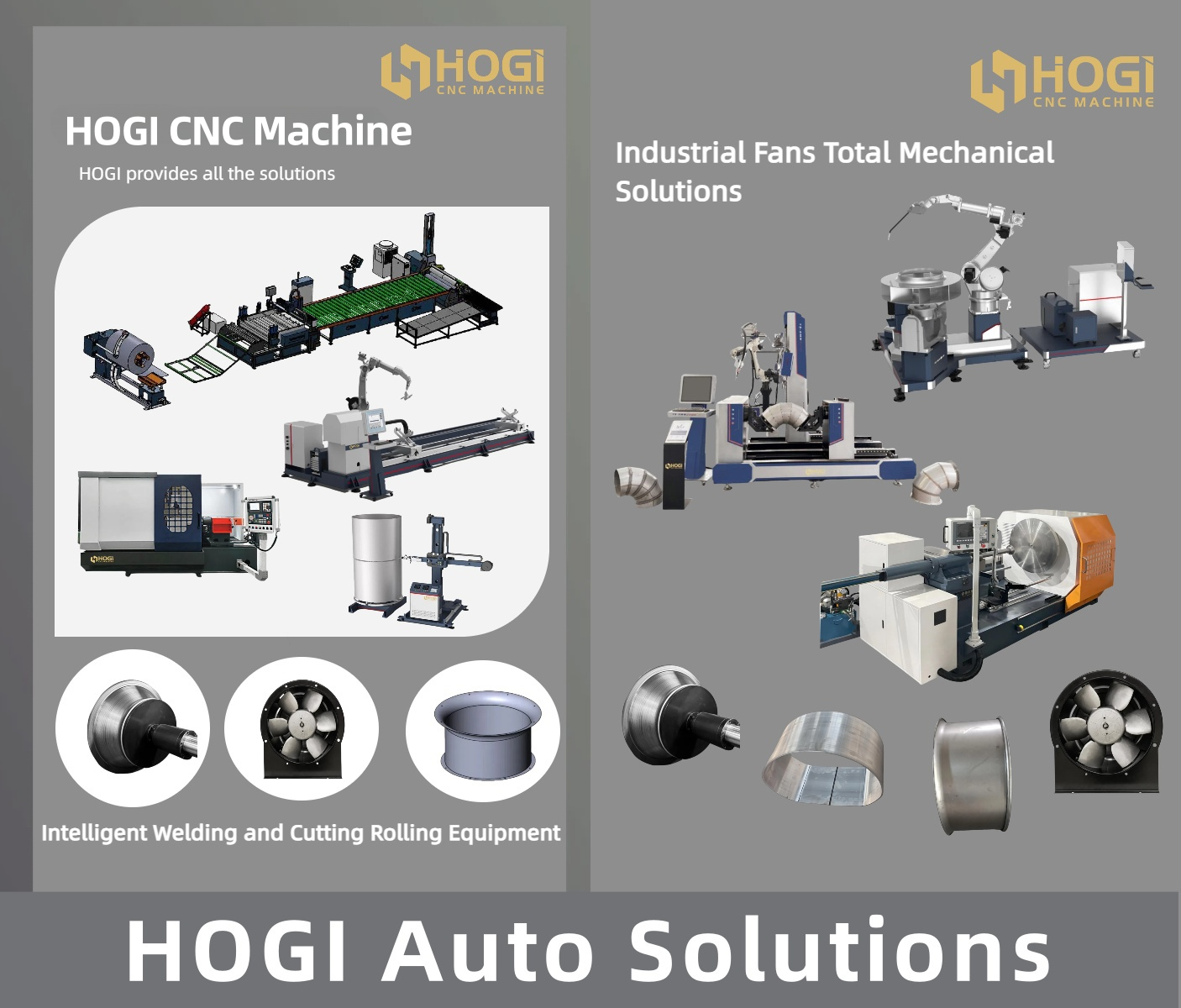
4. Integration with automatic loading and unloading conveyor lines; when paired with a roll forming machine, it forms a fully automated production line;
5. Water-cooling + low-temperature protection, enabling 24-hour continuous production in high-temperature workshops.
Key Benefits of Laser Welding (Continuous-Wave Fiber Laser Welding)
1. Minimal welding distortion and minimal post-processing:
The laser spot is fine, heat is concentrated, and the heat-affected zone is narrow; stainless steel welds ranging from 0.3 to 3 mm in thickness exhibit virtually no distortion, eliminating the need for flattening or extensive grinding, which significantly reduces labor costs. With traditional TIG welding, entire sheets of thin metal are prone to warping and twisting.
2. Aesthetically pleasing welds that can be shipped without polishing:
The welds are narrow, with minimal spatter, and feature a uniform, fine finish; products such as kitchen and bathroom fixtures, medical devices, and battery casings can be shipped as finished goods immediately after welding, eliminating the need for grinding or brushing.
3. Fast welding speed, doubled production capacity:
Conventional laser welding speeds range from 0.5 to 3 m/min, which is 5 to 10 times faster than TIG welding; fully automated straight-seam machines can maintain stable mass production 24 hours a day, making them ideal for high-volume production of cylinders and flat plates.
4. Deep penetration, high weld strength, and excellent sealing performance:
The deep penetration welding process enables single-sided welding with double-sided formation; the airtightness and pressure resistance of pressure vessels, water tanks, and battery casings are far superior to those of ordinary fusion welding, ensuring no air or water leaks.
5. High degree of automation, low skill requirements:
Equipped with a CNC system, fixtures, and vision tracking, as well as parameter storage and recall capabilities; even ordinary operators can perform mass production without relying on experienced welders.
6. Weldable ultra-thin, highly reflective specialty materials:
0.2mm ultra-thin stainless steel without burn-through; capable of welding aluminum, copper, titanium alloys, and galvanized sheet metal—materials that are difficult to process using traditional welding methods.
7. High precision, suitable for precision parts:
Positioning accuracy of ±0.03 mm, suitable for high-precision products such as battery casings, precision hardware, and medical devices.