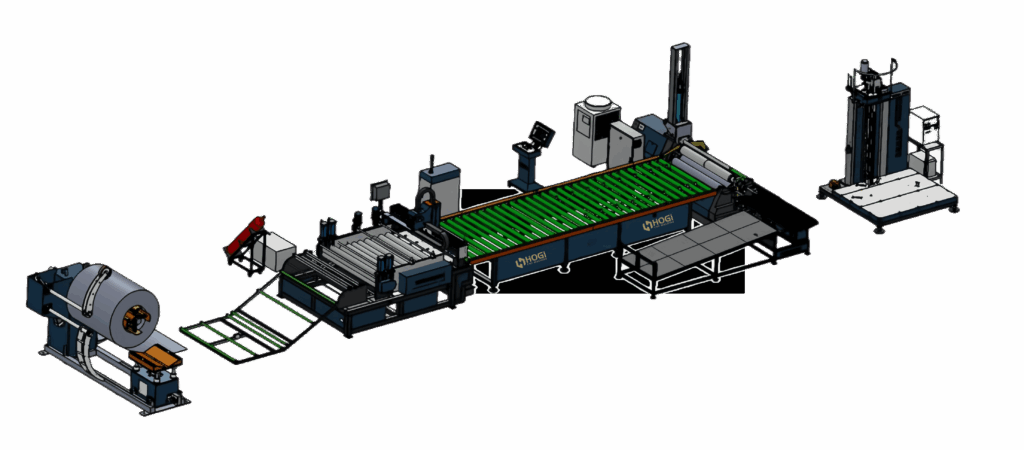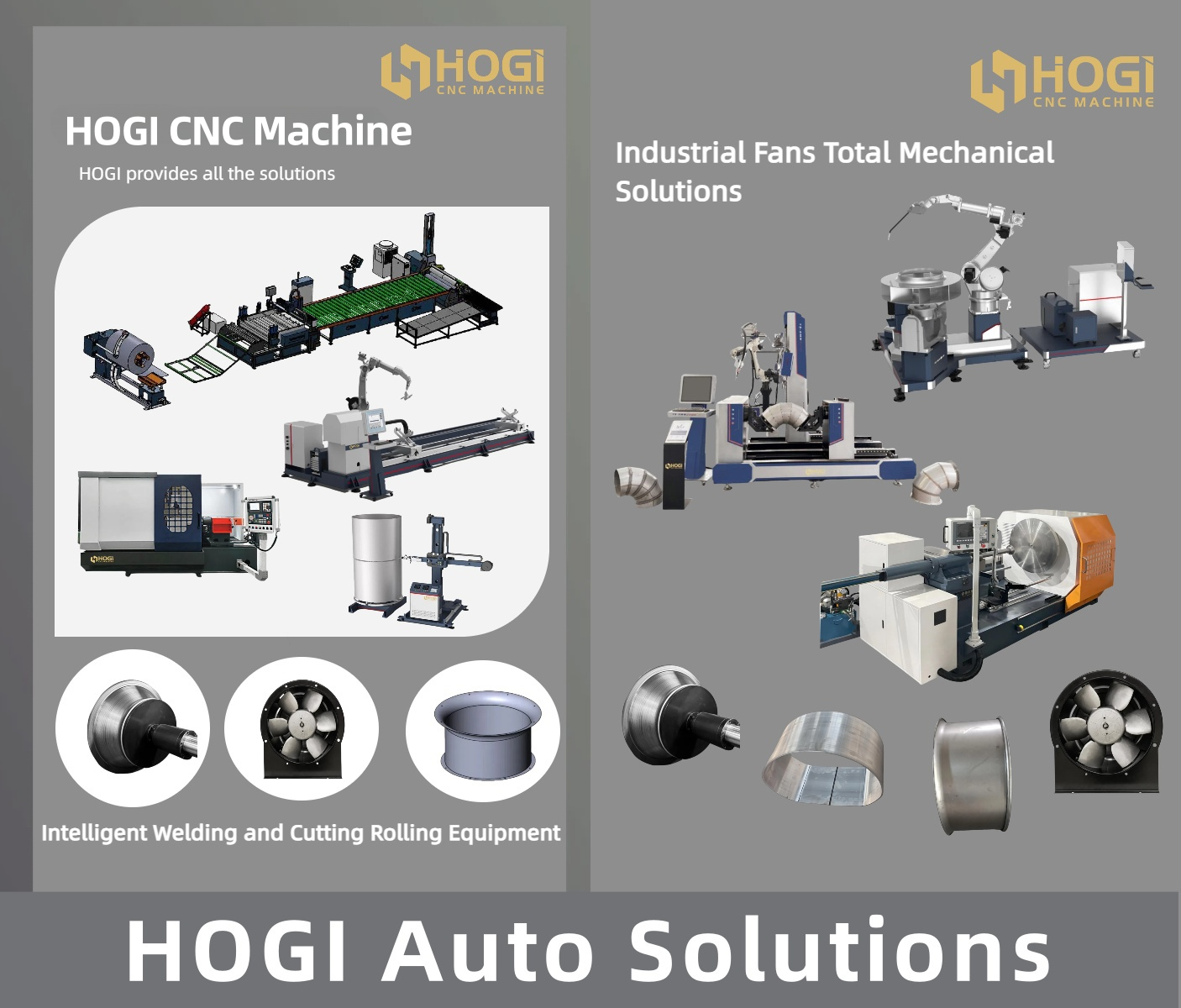
A CNC Rolling Machine is an advanced equipment used to shape and bend metal materials with high precision. It has become an essential tool in modern industries where accuracy, efficiency, and repeatability are critical. With its computer-controlled system, the machine brings automation to the rolling process, ensuring smooth and consistent results.
Development Over Time
The evolution of rolling machines has followed the growth of industrial automation. Traditional manual rolling methods required significant physical effort and often lacked consistency. As industries demanded greater accuracy and productivity, the concept of computer numerical control was introduced. The CNC rolling machine emerged as a response to this need, combining traditional rolling techniques with digital programming for improved performance.
How It Functions
The functioning of a CNC rolling machine involves the precise movement of rollers guided by a computer program. The material passes through the rollers and is shaped according to the programmed specifications. The system allows adjustments in speed, pressure, and angle, which results in uniform shaping across various types of materials. With its automation, the process becomes not only efficient but also adaptable to complex requirements.
Industrial Applications
This machine plays an important role across multiple industrial sectors. From manufacturing to construction, its presence ensures that metal components are shaped to meet the demands of modern projects. It contributes to the production of pipes, structural frames, and other metal-based products that are vital for large-scale developments. The use of CNC technology also means that industries can rely on consistent quality throughout the process.
Technology and Innovation
With continuous advancements in technology, CNC rolling machines have integrated sophisticated software and hardware features. Operators can now design, simulate, and execute rolling operations with great ease. Enhanced user interfaces, monitoring systems, and digital control panels make the machine more accessible and effective. This innovation allows industries to keep up with complex design trends and meet evolving standards of production.
Global Importance
The relevance of CNC rolling machines extends across international markets. As industrial growth continues worldwide, the demand for efficient and reliable metal forming equipment increases. The global adaptability of these machines makes them a preferred choice in sectors ranging from infrastructure to automotive. Their ability to deliver consistent output enhances their acceptance in diverse industrial landscapes.
Future Outlook
The future of CNC rolling machines looks promising as industries move toward smart manufacturing solutions. The integration of artificial intelligence, IoT connectivity, and predictive systems may redefine their role in production lines. As sustainability becomes a priority, innovations in energy-efficient rolling machines will further elevate their importance in global manufacturing ecosystems.
Conclusion
A CNC rolling machine symbolizes the blend of technology and industrial capability. From its early development to its present-day advanced models, it has established itself as a core component of modern manufacturing. With rising industrial demands and continuous innovations, this machine is expected to play an even greater role in shaping the future of production.